Mature Skin: Everything You Need to Know
Skin changes gradually over time, and mature skin reflects these natural shifts. As skin ages, it often becomes drier, less elastic and slower to recover. While mature skin is commonly associated with people aged 40 and over, the way skin ages can vary widely and is influenced by biological, lifestyle and environmental factors.
Understanding how mature skin behaves can help inform skincare choices that prioritise hydration, comfort and long-term skin health, rather than focusing on age alone.
What Is Considered Mature Skin?
Mature skin refers to skin that has undergone age-related changes in structure, hydration and overall behaviour. These changes develop gradually and do not follow a strict age threshold.
Factors such as genetics, lifestyle habits including stress, smoking, nutrition and sleep, and environmental exposure to pollution and UV radiation all influence how skin ages. Hormonal changes can also play a role at different life stages, affecting how skin feels and responds over time.
Because of this, two people of the same age may experience very different skin concerns. This is why skin care for mature skin focuses less on age itself and more on supporting the skin’s changing needs.
Key Characteristics of Mature Skin
Mature skin is usually identified by a combination of changes rather than a single sign. These may include:
Increased dryness or dehydration Reduced elasticity and firmness Fine lines and more noticeable wrinkles A dull or uneven-looking complexion
Some people may also experience periods of increased tightness or sensitivity, particularly during seasonal changes or times of hormonal fluctuation such as menopause.
Why Mature Skin Needs Different Care
As skin ages, its natural support systems change. Collagen production slows over time, which affects firmness and elasticity, while declining levels of hyaluronic acid reduce the skin’s ability to attract and retain moisture.
Together, these shifts mean skin can feel drier, less resilient and slower to recover from daily stressors. For this reason, mature skin care is typically centred around hydration, barrier support and gentle renewal rather than harsh or overly aggressive approaches.
Facial Care for Mature Skin
Effective facial care for mature skin focuses on maintaining hydration, supporting comfort and preserving the skin barrier.
Rather than relying on heavy products alone, a balanced routine looks at how ingredients work within the skin. Supporting moisture retention, encouraging gentle surface renewal and protecting the skin barrier can help improve the appearance of tone, texture and overall skin quality over time.
Why Bodycare Matters for Mature Skin
The skin on the body experiences many of the same age-related changes as facial skin, including increased dryness, reduced elasticity and slower recovery. Areas such as the arms, legs and torso are particularly prone to feeling tight or uncomfortable as natural hydration levels decline.
Body skin also produces less oil and is regularly exposed to cleansing and friction from clothing, which can affect moisture balance. For mature skin, hydration-focused bodycare plays an important role in supporting overall skin comfort and resilience.
Using products designed to deliver sustained hydration and barrier support can help skin feel smoother, more supple and more comfortable day to day.
AMELIORATE recommends:
How to Care for Mature Skin
Caring for mature skin focuses on supportive, well-balanced steps that prioritise hydration, comfort and consistency. As skin becomes drier and less tolerant over time, gentle formulas and barrier-respecting routines are key.
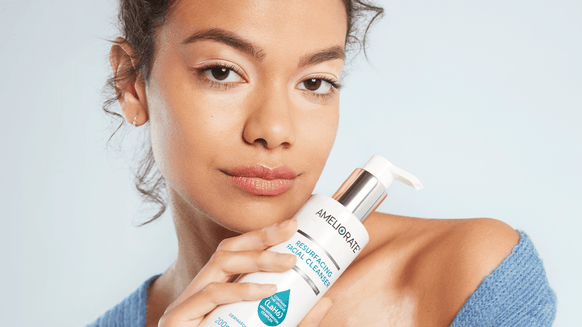
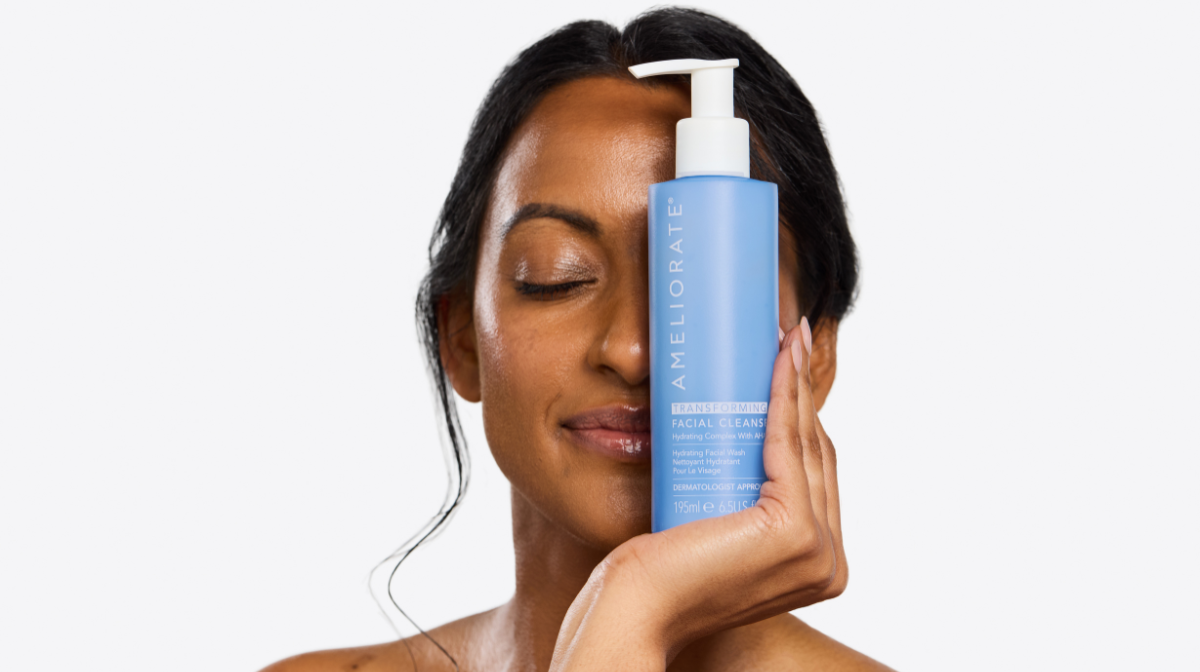
Step 1: Cleanse Gently
Cleansing remains essential, but mature skin benefits from formulas that cleanse effectively without disrupting the skin barrier. Overly harsh or foaming cleansers can strip away moisture, leaving skin feeling tight.
Using a gentle, hydrating cleanser once or twice daily with warm rather than hot water helps remove impurities while supporting the skin’s natural moisture balance.
AMELIORATE recommends:
Step 2: Hydrate and Prepare
As skin matures, its ability to maintain surface hydration can decline. Hydrating toners help replenish water immediately after cleansing, when skin is most receptive, and support comfort without adding heaviness.
This step also helps prepare the skin to better receive serums and moisturisers.
AMELIORATE recommends:
Step 3: Use Targeted Treatments
Targeted treatments allow you to address specific concerns such as changes in texture, tone or firmness. Ingredients like peptides, vitamin C or retinoids are commonly used within ageing skincare routines to support overall skin appearance.
These products should be introduced gradually and used consistently, paying close attention to how the skin responds
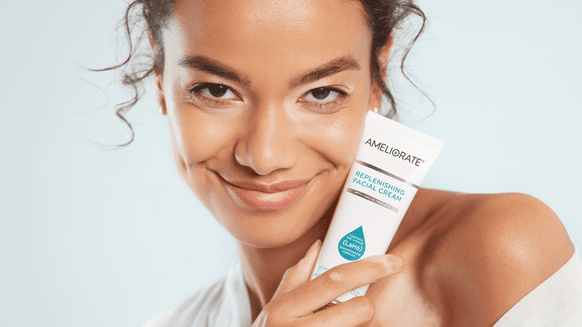
Step 4: Moisturise
Moisturising helps seal in hydration and support the skin barrier, which can become less resilient over time. Richer creams are often better tolerated by mature skin, particularly in the evening.
A well-formulated moisturiser helps skin feel smoother, more comfortable and better protected against moisture loss.
AMELIORATE recommends:
Ingredients Commonly Used in Mature Skin Care
Understanding ingredient roles can help simplify product choices. Ingredients commonly used in mature skin care include:
Hydrators such as hyaluronic acid, glycerin and ceramides Actives like retinol or retinal, vitamin C, niacinamide, peptides and alpha-hydroxy acids Antioxidants including vitamin C and omega fatty acids
These ingredients are widely used to support hydration, comfort and overall skin condition.
Practical Tips for Mature Skin
Use warm rather than hot water to help prevent unnecessary dryness Avoid harsh soaps and aggressive exfoliation Introduce new products gradually Apply sunscreen daily Support skin health with balanced nutrition and adequate sleep
How AMELIORATE Supports Mature Skin
Mature skin often experiences increased dryness, reduced resilience and slower recovery as natural hydration levels decline over time. AMELIORATE’s LaH6 Skin Hydration Complex range is formulated to support these changes by prioritising sustained hydration, barrier support and skin comfort.
The LaH6 Skin Hydration Complex combines humectants that help attract and retain moisture with hyaluronic acid to hydrate and cushion the skin. Allantoin supports skin conditioning and gentle surface renewal, contributing to smoother-feeling skin over time.
By focusing on hydration and barrier support, the range is suitable for mature skin at all life stages, including during periods of hormonal change such as menopause. AMELIORATE is proud to partner with Gen M, with M-Tick approved skincare designed to support skin through menopausal change while remaining suitable for mature skin more broadly.